
Why Do I Need To Send 1099s?
Why do I need to send 1099s?
Each year, business owners are required to file a Form 1099 with the Internal Revenue Service for individuals or non-incorporated businesses paid $600 or more during the year as part of their trade or business. While this requirement can feel administrative, it plays an important role in protecting your business, maintaining compliance, and ensuring accurate tax reporting.
Form 1099 exists to ensure income paid by businesses is properly reported to the IRS. When you pay an individual or non-incorporated business for services, rent, or certain other expenses, the IRS expects that income to be reported both by you and by the recipient.
Sending Form 1099 creates transparency between businesses, vendors, and the IRS, helps prevent underreporting of income, protects your business in the event of an audit, and ensures your financial records are complete and accurate. Failing to issue required 1099s can result in penalties, interest, and increased scrutiny.
Who gets a 1099?
This rule applies to payments made by company check, cash, ACH bank transfer, and Zelle.
Common payments that require reporting include:
• Non-employee compensation (freelancers, contractors, subcontractors)
• Rent and equipment rentals
• Medical payments
• Legal fees
• Certain settlement proceeds
Payment Methods That Are Excluded
Not all payments require a Form 1099. Payments made through third party payment processors are excluded, because those platforms report transactions directly to the IRS using Form 1099-K. Even though these payments do not require a 1099 from you, they should still be recorded properly in your bookkeeping.
Excluded payment methods include:
• Debit and credit cards
• PayPal
• Venmo
• Cash App
• Stripe
• Square
Why Form W-9s Are Critical
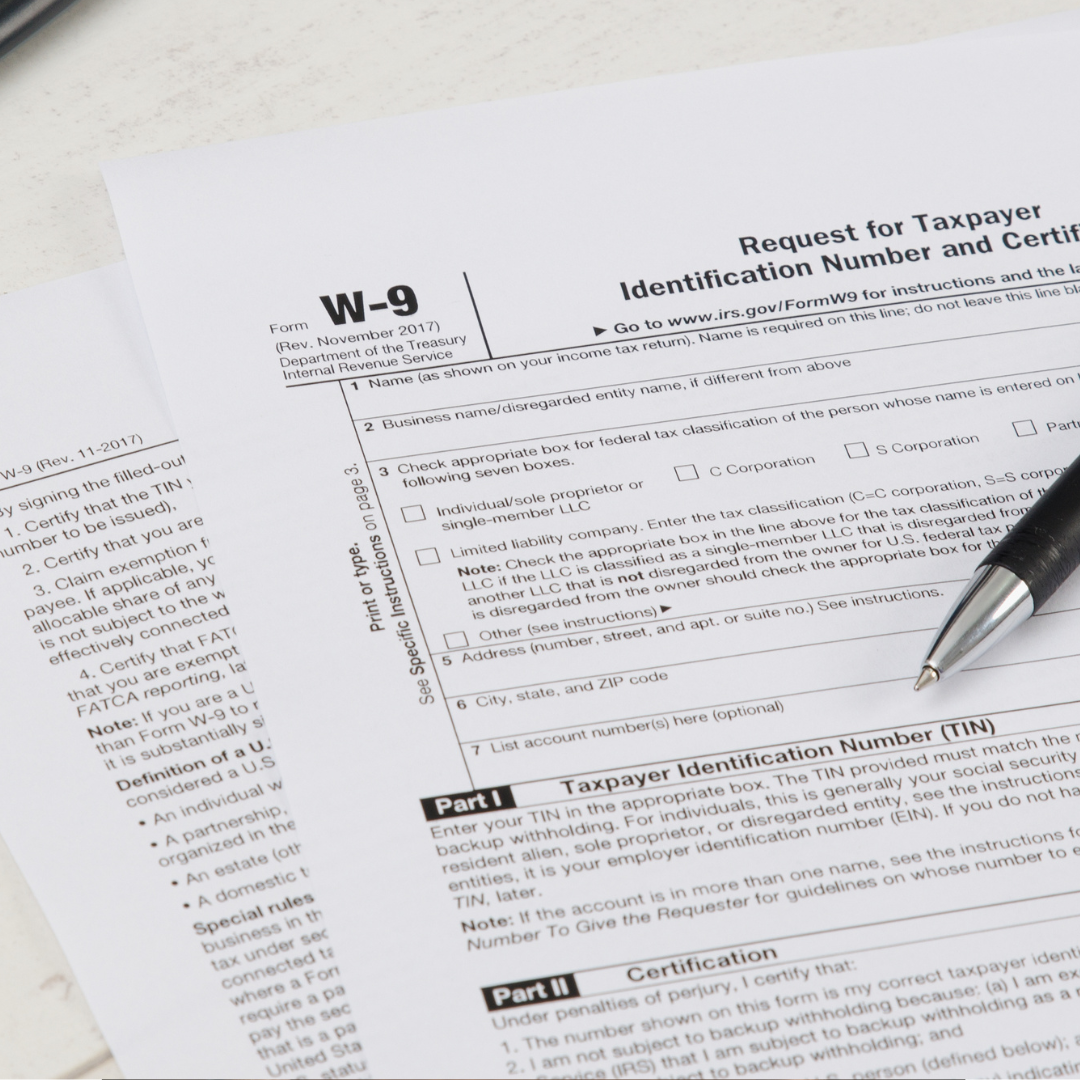
The only way to determine whether a vendor should receive a Form 1099 is by obtaining a Form W-9 from them. A W-9 provides:
• The vendor’s legal name
• Their tax identification number
• Their tax classification (individual, partnership, corporation, etc.)
Corporations are generally exempt from receiving Form 1099s, except for legal fees, which must be reported regardless of entity type. Without a W-9, you cannot accurately determine reporting requirements and your business assumes unnecessary risk. Best practice is to request a W-9 before issuing the first payment to any new vendor.
Sending Form 1099s is not just about meeting a filing requirement, it’s about protecting your business. Proper 1099 reporting reduces audit risk, prevents IRS penalties, supports accurate financial reporting, and creates cleaner, more defensible records.
Staying proactive by collecting W-9s, tracking payment methods, and reviewing vendor activity throughout the year makes the process smoother and less stressful at year end.
Journals & Ledgers electronically files Form 1099s for our clients based on the required Form W-9s provided to us.
Schedule a Complimentary Discovery Session
Are you looking for peace of mind and more time in your day? We offer a 45 minute complimentary discovery session so we can learn about your business and to discuss how our solutions can give you back time in your day.

